
Introduction
The global energy landscape is transforming. As solar and wind power expand, the challenge of efficiently storing this energy has become critical. Artificial intelligence is now fundamentally reshaping energy storage systems—moving them from passive batteries to intelligent energy managers.
The global AI in energy storage optimization market is projected to grow from $8.82 billion in 2025 to significantly higher by 2030, driven by demand for smart home solutions and grid modernization .
What Makes AI-Powered Systems Different?
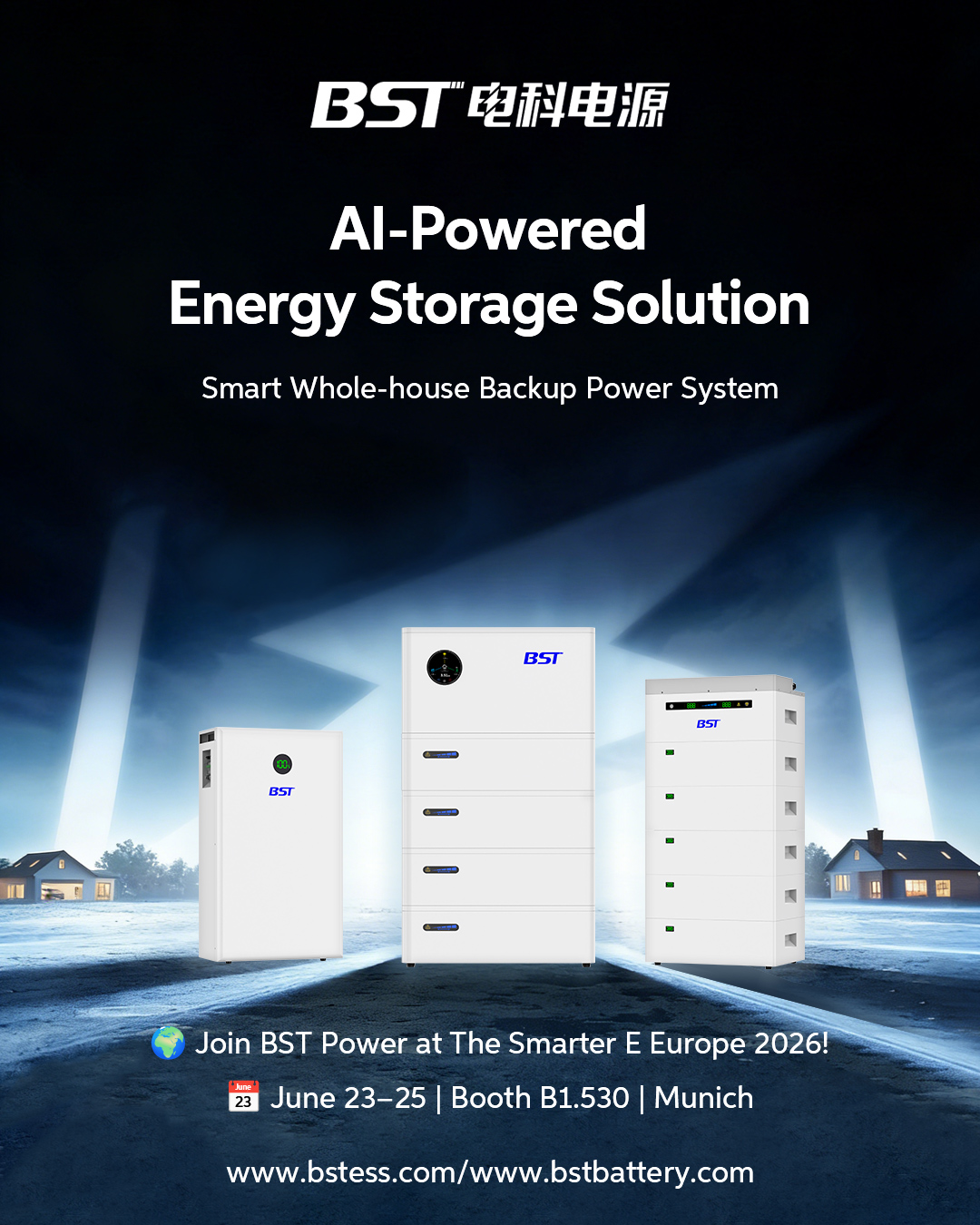
AI-powered energy storage leverages machine learning to:
1. Predict Energy Patterns
AI analyzes historical data, weather forecasts, and household usage to predict solar generation and consumption peaks—optimizing charge/discharge cycles in advance.
2. Optimize in Real-Time
By continuously monitoring grid prices and solar production, AI makes split-second decisions on power sources, reducing electricity costs by up to 30% .
3. Extend Battery Lifespan
Intelligent charging management (thermal control, preventing overcharging) extends battery life by 20-40% compared to conventional systems .
4. Enhance Safety
AI-driven battery management systems detect issues like thermal runaway or cell degradation early, enabling preventive maintenance .
Why Now? Market Drivers
- Rising Energy Costs: Homeowners seek energy independence with compelling ROI
- Solar Proliferation: AI maximizes utilization of generated solar power
- Grid Modernization: AI systems automatically participate in demand-response programs
- Mature Battery Tech: Lithium-ion costs down 90% since 2010
U.S. residential storage added 3.1 GWh in 2025—a 51% year-over-year increase .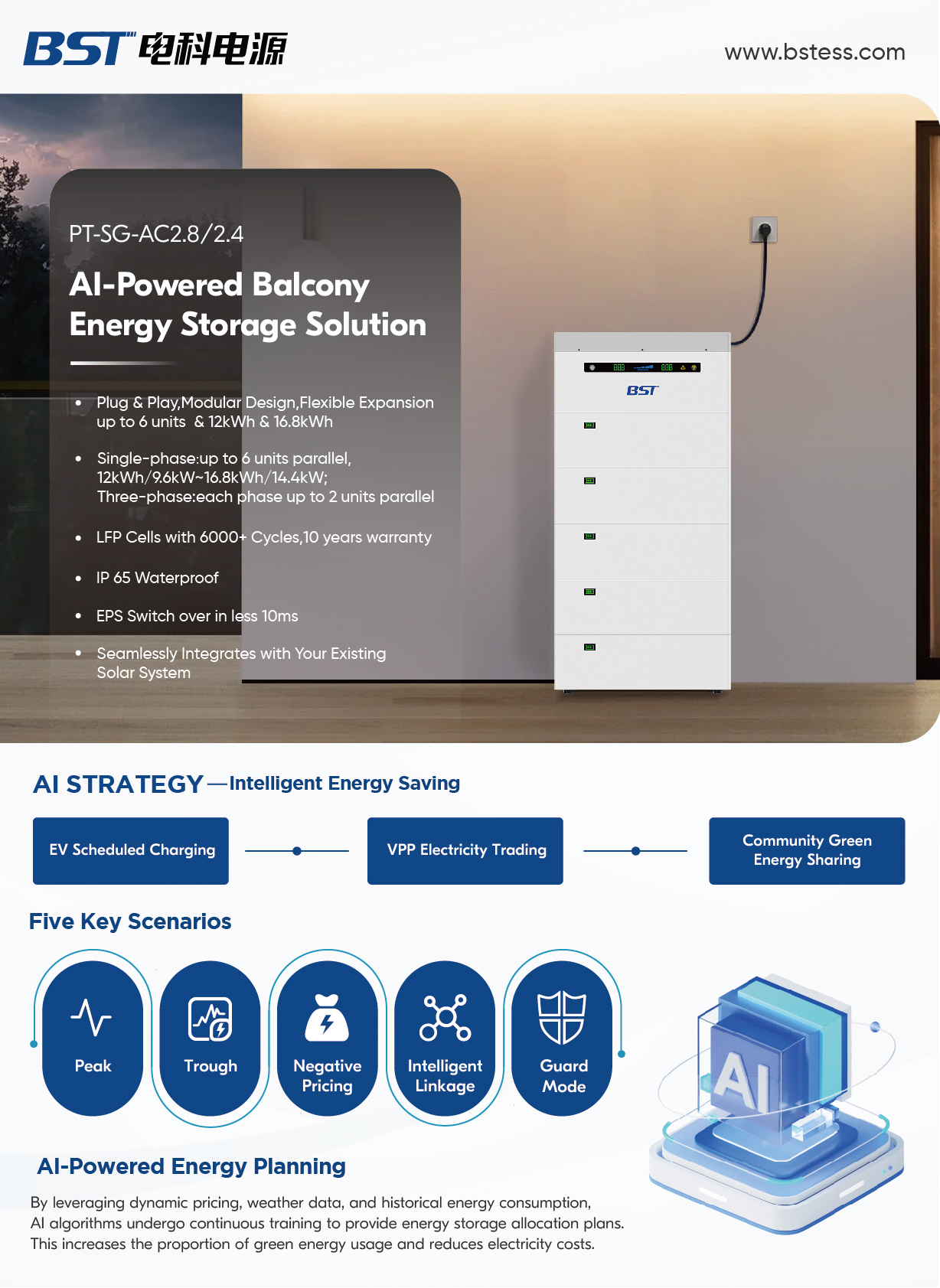
Key Benefits
| Benefit | Impact |
|---|---|
| Energy Efficiency | 15-25% improvement |
| Cost Savings | 20-40% reduction in electricity bills |
| Energy Independence | Maximized self-consumption, grid outage resilience |
| Environmental Impact | Significant carbon reduction |
| Longevity | Predictive maintenance extends system life |
Real-World Applications
Weather-Aware Charging: System receives cloud cover forecast, maximizes charge during current sun, maintains power through cloudy days.
Peak Shaving: During high-price periods, automatically switches to battery while earning demand-response credits.
Thermal Management: Continuously monitors temperature, adjusts charge rates to prevent stress and extend battery life.
Smarter E Europe 2026: Industry Leadership
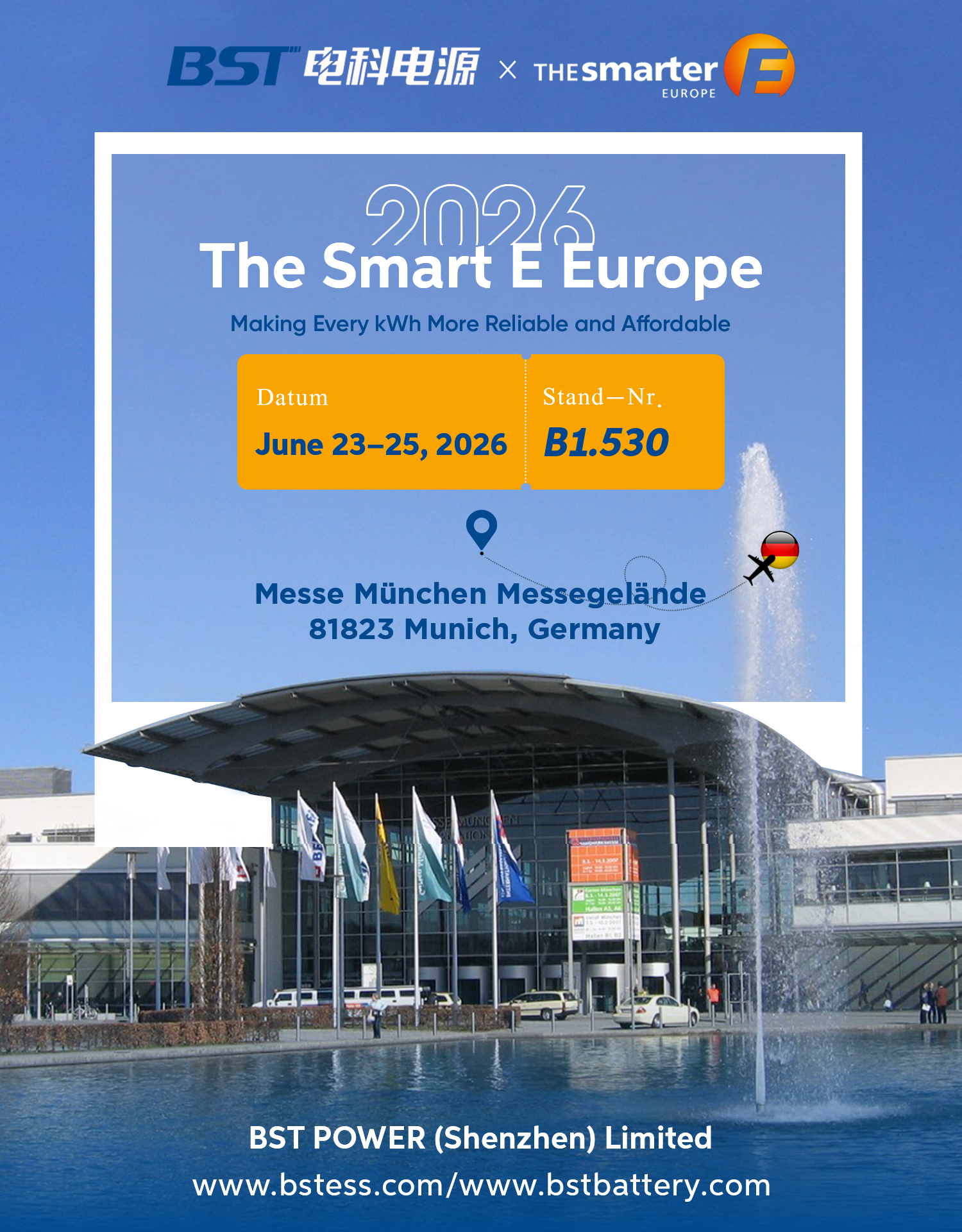
June 23-25, 2026 | Munich
The premier event showcasing AI-powered storage innovation. Industry leaders like BST demonstrate:
- Advanced AI integration for predictive analytics
- Modular, scalable solutions
- Enhanced user interfaces
- Grid integration for virtual power plants
- Sustainability and circular economy focus
Challenges & Considerations
- Initial Investment: Higher upfront, but 5-7 year typical ROI
- Data Privacy: Secure household energy data management essential
- Grid Standards: Need for standardized protocols and cybersecurity
- Technical Expertise: Trained technicians required for installation
The Future: 2025-2030
Vehicle-to-Home (V2H): Bidirectional energy flow with EV batteries
Community Networks: Peer-to-peer energy sharing between neighbors
AGI Applications: Weeks-ahead prediction of pricing and grid conditions
Circular Economy: AI-optimized battery recycling and second-life use
Conclusion
AI-powered energy storage represents a fundamental shift in how we interact with energy. By combining predictive analytics, real-time optimization, and autonomous decision-making, these systems make energy independence accessible, affordable, and sustainable.
The future isn’t just smart—it’s intelligently adaptive, continuously learning, and aligned with sustainability. Welcome to the AI-powered energy revolution.
