
News Categories
2026-10-10
Ireland’s €600 Home Battery Storage Grant: SEAI Eligibility, Application Guide and Battery Solutions
Ireland is taking another step towards smarter residential energy management with the introduction of the €600 SEAI Home Battery Energy Storage System Grant.
The scheme supports eligible homeowners who want to install a home battery storage system, helping them store electricity for later use and improve household energy flexibility.
For households with solar photovoltaic (PV) panels, a home battery storage system can capture surplus daytime solar energy for use in the evening or during periods of higher electricity demand.
For homeowners, installers, distributors and renewable energy businesses, understanding the grant requirements is an important first step towards selecting the right residential energy storage solution.
In this guide, BST ESS explains the key eligibility requirements, application process and considerations when choosing a home battery storage system in Ireland,
including compact balcony energy storage and larger-capacity residential battery solutions.
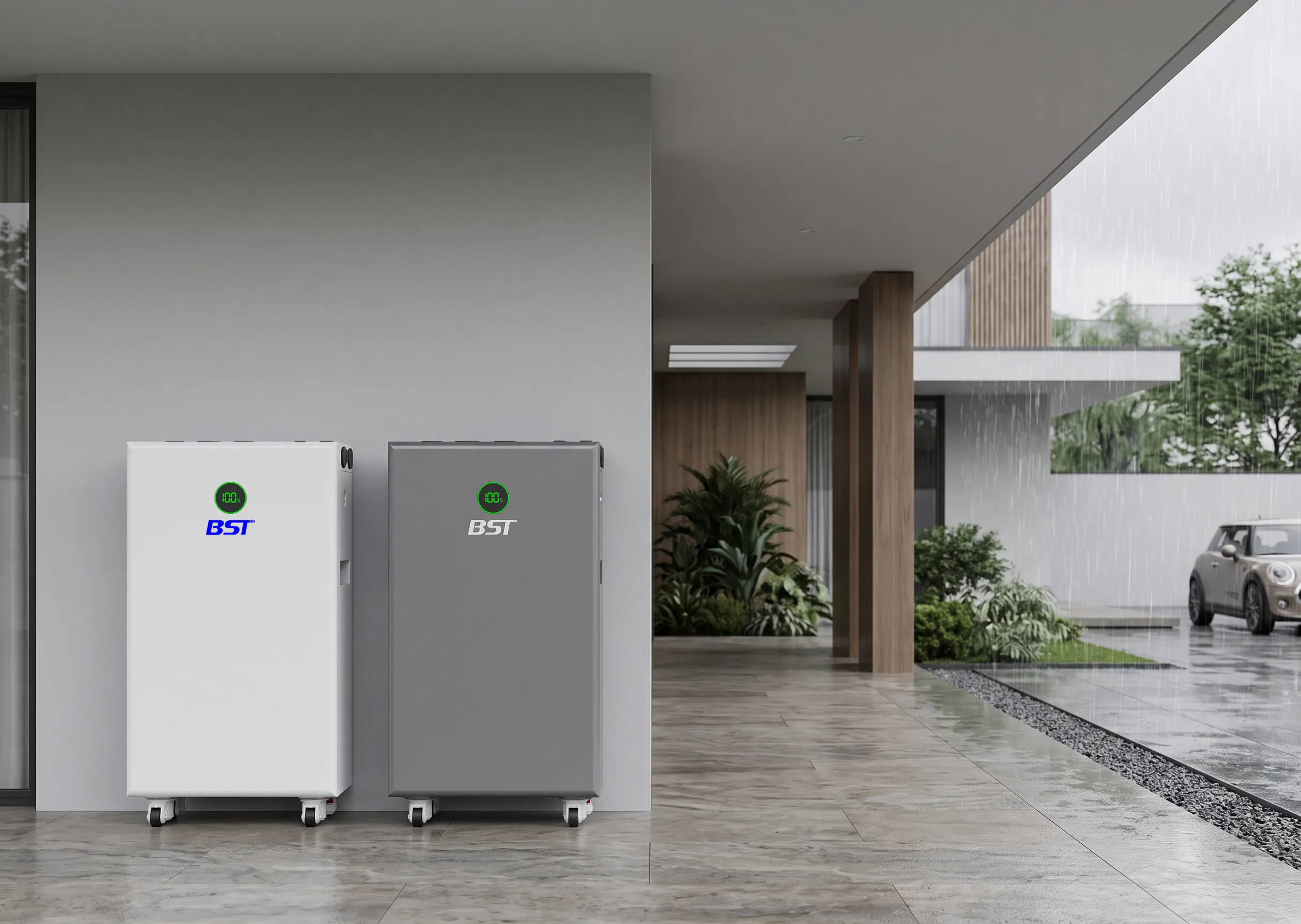
1. What Is Ireland’s SEAI Home Battery Storage Grant?
The Sustainable Energy Authority of Ireland (SEAI) provides a flat-rate grant of €600 for eligible home battery energy storage systems with a capacity of 5kWh or more,
subject to the scheme's applicable conditions.
The grant is intended to support residential battery installations and complement Ireland's existing solar PV grant scheme.
Key details include:
-
Grant amount: €600 per eligible battery installation.
-
Minimum battery capacity: 5kWh.
-
Eligible applicants: Homeowners, including private landlords, owner management companies and approved housing bodies, subject to scheme requirements.
-
Installation requirements: The system must meet the applicable technical criteria and follow the required SEAI contractor and approval procedures.
-
Application timing: Applicants must receive and accept the grant offer before installation work begins.
Battery systems below 5kWh do not meet the stated minimum capacity requirement for this grant when installed as standalone systems.
For the latest conditions, eligibility criteria and application guidance, visit the official SEAI Battery Energy Storage System Grant page.
2. Who Is Eligible for the €600 Battery Storage Grant?
Before investing in a residential energy storage system, homeowners should check whether their property and proposed installation meet the SEAI requirements.
Basic Eligibility Requirements
The published scheme criteria include conditions relating to:
-
Property registration: The property must have a valid Meter Point Reference Number (MPRN).
-
Property age and occupancy: The property must satisfy SEAI's applicable construction and occupancy requirements.
-
Previous funding: The property must not have previously received government funding for a battery at the same MPRN, where this restriction applies.
-
Battery capacity: The proposed system must have a capacity of at least 5kWh.
-
Technical compliance: The battery system and installation must meet the relevant scheme requirements.
-
Approved installation process: The application, contractor arrangements and installation must follow the applicable SEAI procedures.
Eligibility depends on the applicant, property, equipment and installation arrangements. Meeting the basic conditions does not automatically guarantee grant approval.
Homeowners should review the latest official SEAI guidance and confirm the suitability of their proposed system with their chosen contractor before proceeding.
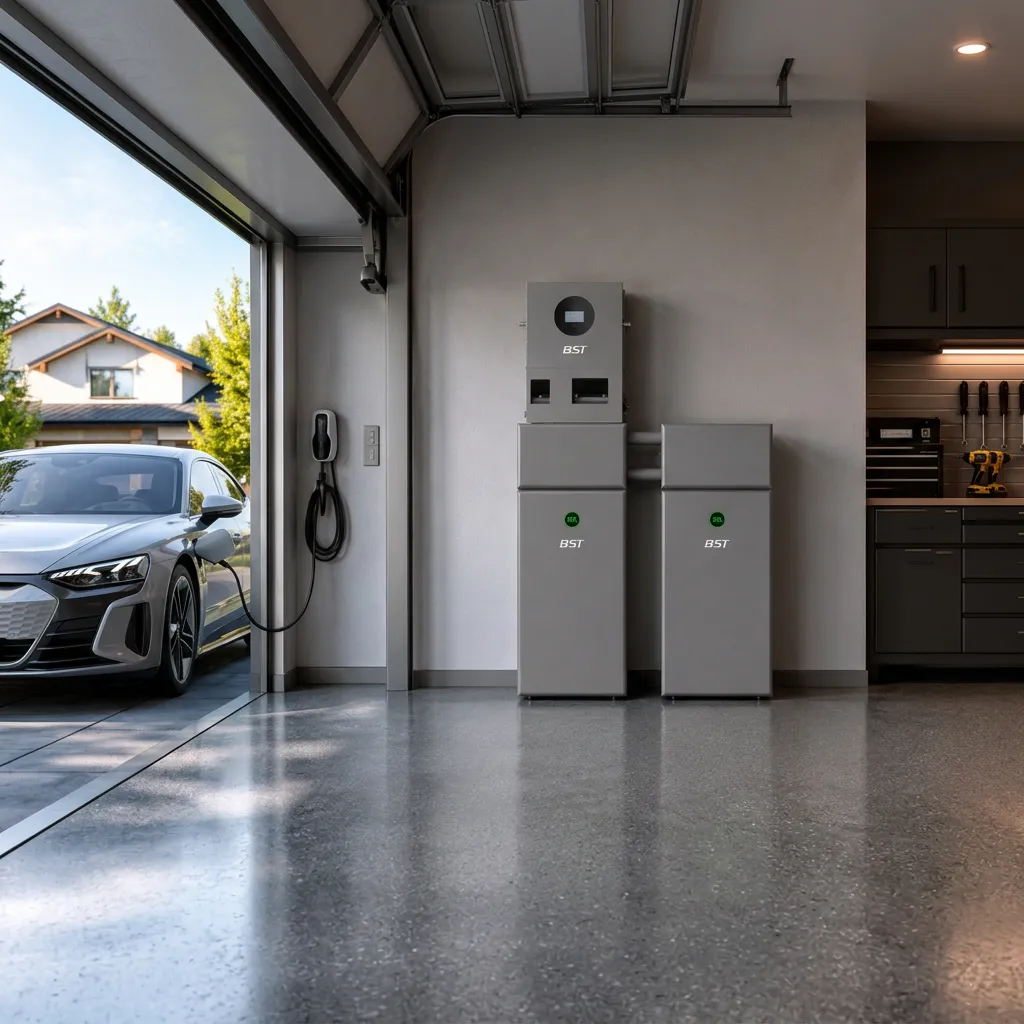
3. Can You Combine the Battery Grant with the Solar PV Grant?
Eligible homeowners may be able to apply for the SEAI solar PV grant and battery storage grant together, subject to the current requirements for each measure.
There are also options for homeowners who want to install solar panels and battery storage at different times.
Installing Solar Panels and a Battery Together
If you plan to install a new solar PV system and a home battery at the same time, check whether both measures can be included in a single application under the current SEAI process.
Combining solar PV with battery storage allows households to store surplus electricity generated during the day and use it later.
This can improve the use of self-generated electricity, although the financial benefits depend on solar generation, household consumption, electricity tariffs, system costs and operating conditions.
Adding a Battery to an Existing Solar PV System
Homeowners who already have solar panels may also consider adding a compatible battery storage system.
Before proceeding, confirm the applicable battery grant application process and whether any existing solar PV application or funding affects the proposed installation.
Important: Do not begin the battery installation before receiving and accepting the required SEAI grant offer. Starting work before approval may affect eligibility.
Can You Install the Two Measures Separately?
Homeowners may be able to install solar PV and battery storage at different times, provided the property, equipment and applications meet the applicable requirements when each measure is undertaken.
Review the official SEAI Solar Electricity Grant page and battery grant guidance before making installation arrangements.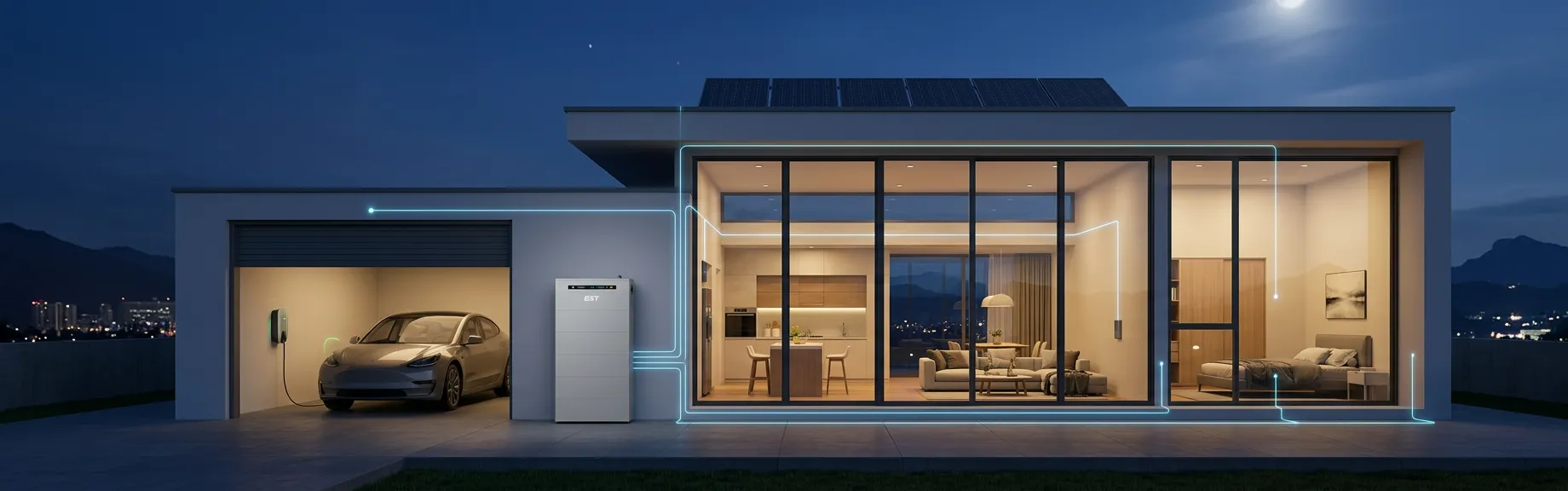
4. How to Apply for the SEAI Home Battery Storage Grant
The application process involves several steps. Planning ahead can help prevent delays and reduce the risk of eligibility issues.
Step 1: Choose an Eligible Installation Contractor
Contact an appropriately SEAI-registered Solar PV contractor and request a written quotation for the proposed battery system.
Compare the equipment specifications, installation costs, warranties, compatibility and after-sales support.
Step 2: Submit Your Grant Application
Apply through the official SEAI application process and provide the required property and installation details.
Check that the proposed system and installation arrangements meet the scheme requirements before submitting your application.
Step 3: Wait for Grant Approval
Receive and accept the formal grant offer before installation begins.
Review the approved details carefully, including the proposed works, contractor arrangements and grant amount.
Step 4: Complete the Installation
Arrange installation in accordance with the approved scope, applicable technical requirements and relevant electrical and network connection procedures.
The selected battery system should be compatible with the property's existing or planned solar PV equipment, where applicable.
Step 5: Arrange the Required BER Assessment
Check the current SEAI requirements for a post-works Building Energy Rating (BER) assessment and any associated documentation.
Where a BER assessment is required, ensure it is completed before the grant drawdown process.
Step 6: Submit the Completion Documents
Ensure that the required declaration of works, certificates, invoices, installation evidence and other supporting documents are submitted through the appropriate SEAI process.
Step 7: Receive the Grant Payment
SEAI reviews the submitted documentation and may conduct an inspection. Payment is made once the applicable requirements have been satisfied.
For detailed application instructions, visit the official SEAI Battery Energy Storage System Grant page.
5. How to Choose the Right Home Battery Storage System in Ireland
The €600 grant is an incentive, but the best home battery storage system should also match a household's electricity consumption, solar PV capacity, installation conditions and future energy needs.
When comparing residential energy storage solutions, consider the following factors.
Battery Capacity
The SEAI battery grant specifies a minimum capacity of 5kWh under the published criteria.
Homeowners should assess their typical evening consumption, overnight loads and expected solar energy surplus before selecting a suitable battery capacity.
A larger battery may provide greater storage flexibility, but its value depends on actual electricity usage and the way the system is operated.
Solar PV Compatibility
For households with solar panels, a compatible battery can store excess solar generation for later use.
Depending on the existing installation, homeowners may consider an AC-coupled battery system or a hybrid solar inverter and battery solution.
-
AC-coupled systems may be suitable for certain existing solar PV installations, subject to inverter compatibility and installation requirements.
-
Hybrid systems combine solar PV and battery functions within an integrated system architecture.
-
Expandable systems may offer flexibility when greater storage capacity is required, depending on the supported configuration.
The appropriate option depends on the existing inverter, electrical configuration, available installation space and technical requirements.
Smart Energy Management
Smart energy management can help coordinate battery charging and discharging according to solar generation, household consumption and available electricity tariffs.
Features such as scheduled charging, time-of-use optimisation and remote monitoring may help users manage stored energy more effectively.
Actual savings depend on electricity tariffs, usage patterns, system performance, installation costs and other household circumstances.
Safety, Reliability and After-Sales Support
Battery chemistry, protection functions, operating conditions, warranty terms and local installation support should all be considered.
Homeowners should also confirm that the proposed system meets the applicable technical and safety requirements for the Irish market.
6. BST ESS Residential Energy Storage Solutions
BST ESS develops residential energy storage solutions for renewable energy brands, distributors, installers and OEM/ODM partners.
Our portfolio includes compact balcony energy storage, hybrid systems and larger-capacity residential storage solutions, providing different options for businesses serving residential energy markets.
6.1 Compact Balcony Energy Storage: BST PT-SG-AC-3.5/2.4
For homeowners looking for a compact residential energy storage solution, the BST PT-SG-AC-3.5/2.4 balcony energy storage system offers an option for applications where space efficiency and flexible integration are important.
Designed with an AC-coupled architecture, the system features a 3.5kWh battery capacity and 2.4kW AC output.
Key product features include:
-
Compact Residential Design: Designed for balcony and other suitable residential energy storage applications.
-
AC-Coupled Architecture: Offers an alternative for compatible existing solar PV installations, subject to system configuration and installation requirements.
-
Flexible Storage Options: The product range includes expandable configurations, subject to the supported system setup.
-
Smart Energy Management: Supports residential energy management according to the functions available in the selected configuration.
-
OEM/ODM Opportunities: Offers a product option for energy brands and distributors exploring customised residential storage solutions, subject to project requirements.
For households with existing solar panels, an AC-coupled battery may provide a practical way to explore storing surplus solar electricity for later use.
Is the BST PT-SG-AC-3.5/2.4 eligible for the SEAI €600 battery grant?
The standard 3.5kWh configuration is below the grant's stated minimum capacity of 5kWh. It should therefore not be presented as independently eligible for the grant.
Although expandable configurations may be available, eligibility must be confirmed against the current SEAI technical requirements and the exact installed system configuration.
Capacity alone does not guarantee approval.
Explore the BST PT-SG-AC-3.5/2.4 balcony energy storage system for product specifications and configuration details.
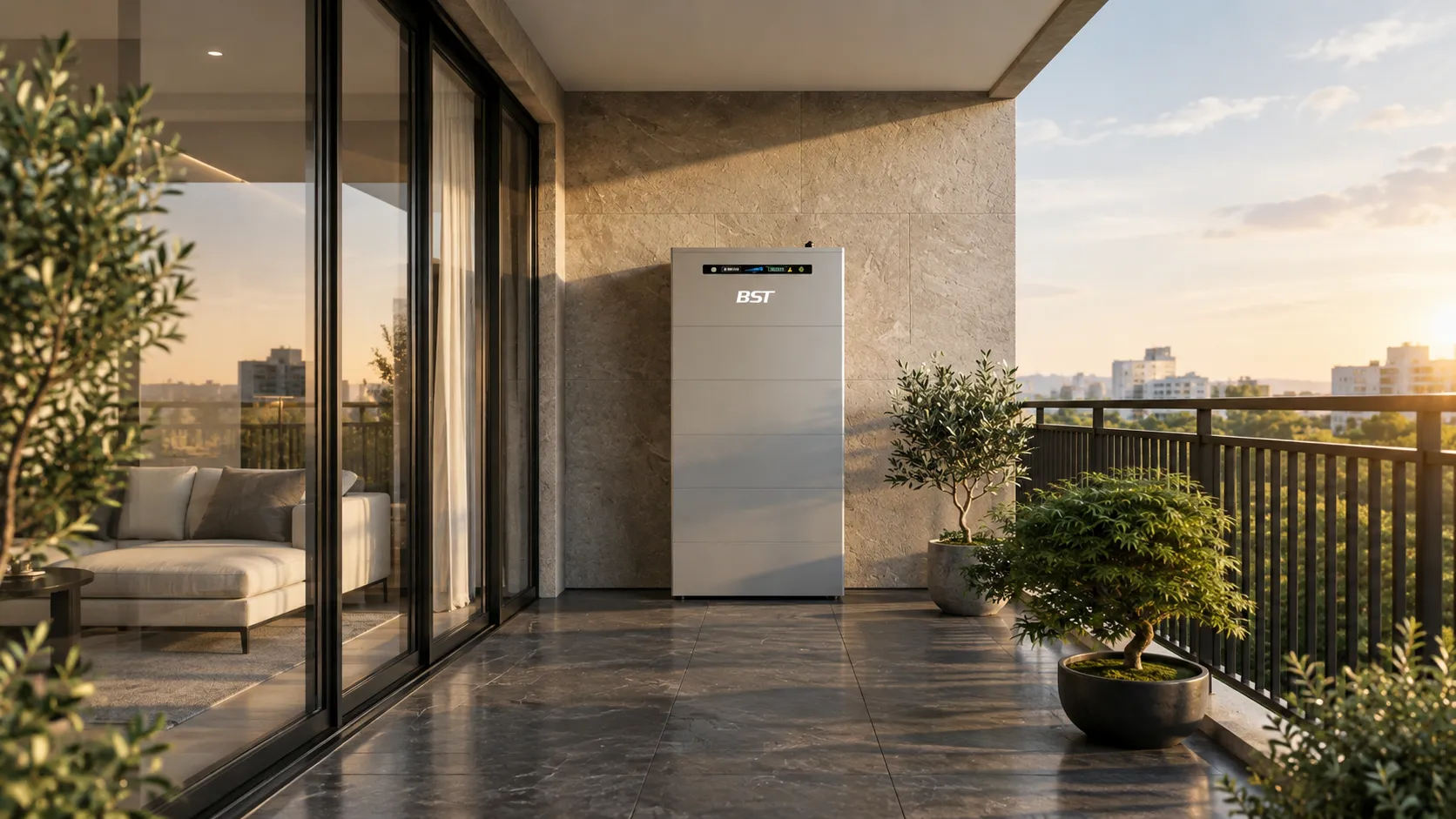
6.2 Hybrid and Larger-Capacity Residential Storage Solutions
For projects requiring solar PV integration and greater storage capacity, BST ESS offers residential hybrid and split-system solutions.
Depending on the model and configuration, these systems can support applications ranging from everyday household energy storage to larger residential backup requirements.
When selecting a system for an Irish project targeting the SEAI battery grant, installers and distributors should verify:
-
A battery capacity meeting the applicable minimum requirement.
-
Compatibility with the proposed solar PV and inverter configuration.
-
Compliance with the relevant technical and electrical requirements.
-
Suitability for the intended installation environment.
-
Applicable warranty and after-sales support arrangements.
The selected product must satisfy all relevant scheme conditions. Not every BST ESS product or configuration will automatically qualify for the grant.
6.3 OEM/ODM Home Battery Storage for Energy Brands
Beyond standard residential products, BST ESS supports OEM/ODM cooperation for businesses developing their own energy storage brands.
Depending on the product and project requirements, customisation options may include:
-
Product appearance, enclosure colour and branding.
-
System configuration and battery capacity.
-
User interface and application branding.
-
Packaging and product documentation.
-
Market-specific product requirements.
-
Smart energy management and cloud platform integration, where supported.
For distributors, installers and energy businesses entering the Irish market, working with a residential energy storage manufacturer can help build a product portfolio aligned with local customer requirements.
Explore BST ESS residential energy storage solutions or contact our team to discuss your project requirements.
7. Frequently Asked Questions About Ireland's Battery Storage Grant
How much is the SEAI home battery storage grant?
The scheme's published terms specify a flat-rate payment of €600 for eligible battery systems with a capacity of 5kWh or more, subject to the applicable conditions.
Can I get the grant for a battery smaller than 5kWh?
A standalone battery system below 5kWh does not meet the stated minimum capacity requirement.
If an expandable system is being considered, confirm the eligible system configuration and capacity calculation directly against the current SEAI technical guidance.
Can I apply if I already have solar panels?
Homeowners with existing solar panels may be able to apply for the battery grant if the property, equipment and installation meet the applicable requirements.
Check the current SEAI application procedure, especially if a solar PV grant application has already been submitted or approved.
Can I install the battery before the grant is approved?
No. You must receive and accept the required SEAI grant offer before starting installation work. Work started before the required approval may make the installation ineligible.
Does every BST ESS battery qualify for the grant?
No. Eligibility depends on the battery capacity, technical specifications, installation arrangements and all other applicable SEAI requirements.
The BST PT-SG-AC-3.5/2.4 has a standard capacity of 3.5kWh, which is below the stated minimum for the grant. Other products or supported configurations must be assessed individually.
Is an AC-coupled battery suitable for an existing solar PV system?
An AC-coupled battery may be suitable for some existing solar PV installations. Compatibility depends on the inverter, electrical configuration, battery system specifications and installation requirements.
A qualified installer should assess the existing system before recommending a solution.
Where can I check the latest grant requirements?
Visit the official SEAI Battery Energy Storage System Grant page for the latest eligibility conditions, technical requirements and application instructions.
Conclusion: Find the Right Home Battery Storage Solution for Your Needs
Ireland's €600 SEAI battery storage grant provides an additional incentive for eligible homeowners considering residential energy storage.
By combining suitable battery capacity, compatible solar PV equipment and effective energy management, households can make better use of stored electricity and improve their energy flexibility.
For homeowners with existing solar installations, compact AC-coupled balcony storage may be worth exploring where the system is technically suitable.
For projects targeting the SEAI battery grant, the selected battery configuration must meet the minimum capacity and all other applicable requirements.
For installers, distributors and energy brands, this creates an opportunity to evaluate residential storage solutions that align with different customer needs.
Looking for a residential energy storage manufacturer for your next project?
BST ESS offers balcony energy storage, hybrid residential systems and OEM/ODM cooperation opportunities for energy brands and distributors.
Explore the BST PT-SG-AC-3.5/2.4 balcony energy storage system or visit BST ESS to discuss your requirements.
Disclaimer: Grant amounts, eligibility requirements and application procedures may change. This article is for general informational purposes only and
does not guarantee grant eligibility or financial savings. Product suitability and grant eligibility must be confirmed against the latest official SEAI
guidance and the exact installation configuration before any purchasing or installation decision.
Ireland is taking another step towards smarter residential energy management with the introduction of the €600 SEAI Home Battery Energy Storage System Grant.
The scheme supports eligible homeowners who want to install a home battery storage system, helping them store electricity for later use and improve household energy flexibility.
For households with solar photovoltaic (PV) panels, a home battery storage system can capture surplus daytime solar energy for use in the evening or during periods of higher electricity demand.
For homeowners, installers, distributors and renewable energy businesses, understanding the grant requirements is an important first step towards selecting the right residential energy storage solution.
In this guide, BST ESS explains the key eligibility requirements, application process and considerations when choosing a home battery storage system in Ireland,
including compact balcony energy storage and larger-capacity residential battery solutions.
1. What Is Ireland’s SEAI Home Battery Storage Grant?
The Sustainable Energy Authority of Ireland (SEAI) provides a flat-rate grant of €600 for eligible home battery energy storage systems with a capacity of 5kWh or more,
subject to the scheme's applicable conditions.
The grant is intended to support residential battery installations and complement Ireland's existing solar PV grant scheme.
Key details include:
-
Grant amount: €600 per eligible battery installation.
-
Minimum battery capacity: 5kWh.
-
Eligible applicants: Homeowners, including private landlords, owner management companies and approved housing bodies, subject to scheme requirements.
-
Installation requirements: The system must meet the applicable technical criteria and follow the required SEAI contractor and approval procedures.
-
Application timing: Applicants must receive and accept the grant offer before installation work begins.
Battery systems below 5kWh do not meet the stated minimum capacity requirement for this grant when installed as standalone systems.
For the latest conditions, eligibility criteria and application guidance, visit the official SEAI Battery Energy Storage System Grant page.
2. Who Is Eligible for the €600 Battery Storage Grant?
Before investing in a residential energy storage system, homeowners should check whether their property and proposed installation meet the SEAI requirements.
Basic Eligibility Requirements
The published scheme criteria include conditions relating to:
-
Property registration: The property must have a valid Meter Point Reference Number (MPRN).
-
Property age and occupancy: The property must satisfy SEAI's applicable construction and occupancy requirements.
-
Previous funding: The property must not have previously received government funding for a battery at the same MPRN, where this restriction applies.
-
Battery capacity: The proposed system must have a capacity of at least 5kWh.
-
Technical compliance: The battery system and installation must meet the relevant scheme requirements.
-
Approved installation process: The application, contractor arrangements and installation must follow the applicable SEAI procedures.
Eligibility depends on the applicant, property, equipment and installation arrangements. Meeting the basic conditions does not automatically guarantee grant approval.
Homeowners should review the latest official SEAI guidance and confirm the suitability of their proposed system with their chosen contractor before proceeding.
3. Can You Combine the Battery Grant with the Solar PV Grant?
Eligible homeowners may be able to apply for the SEAI solar PV grant and battery storage grant together, subject to the current requirements for each measure.
There are also options for homeowners who want to install solar panels and battery storage at different times.
Installing Solar Panels and a Battery Together
If you plan to install a new solar PV system and a home battery at the same time, check whether both measures can be included in a single application under the current SEAI process.
Combining solar PV with battery storage allows households to store surplus electricity generated during the day and use it later.
This can improve the use of self-generated electricity, although the financial benefits depend on solar generation, household consumption, electricity tariffs, system costs and operating conditions.
Adding a Battery to an Existing Solar PV System
Homeowners who already have solar panels may also consider adding a compatible battery storage system.
Before proceeding, confirm the applicable battery grant application process and whether any existing solar PV application or funding affects the proposed installation.
Important: Do not begin the battery installation before receiving and accepting the required SEAI grant offer. Starting work before approval may affect eligibility.
Can You Install the Two Measures Separately?
Homeowners may be able to install solar PV and battery storage at different times, provided the property, equipment and applications meet the applicable requirements when each measure is undertaken.
Review the official SEAI Solar Electricity Grant page and battery grant guidance before making installation arrangements.
4. How to Apply for the SEAI Home Battery Storage Grant
The application process involves several steps. Planning ahead can help prevent delays and reduce the risk of eligibility issues.
Step 1: Choose an Eligible Installation Contractor
Contact an appropriately SEAI-registered Solar PV contractor and request a written quotation for the proposed battery system.
Compare the equipment specifications, installation costs, warranties, compatibility and after-sales support.
Step 2: Submit Your Grant Application
Apply through the official SEAI application process and provide the required property and installation details.
Check that the proposed system and installation arrangements meet the scheme requirements before submitting your application.
Step 3: Wait for Grant Approval
Receive and accept the formal grant offer before installation begins.
Review the approved details carefully, including the proposed works, contractor arrangements and grant amount.
Step 4: Complete the Installation
Arrange installation in accordance with the approved scope, applicable technical requirements and relevant electrical and network connection procedures.
The selected battery system should be compatible with the property's existing or planned solar PV equipment, where applicable.
Step 5: Arrange the Required BER Assessment
Check the current SEAI requirements for a post-works Building Energy Rating (BER) assessment and any associated documentation.
Where a BER assessment is required, ensure it is completed before the grant drawdown process.
Step 6: Submit the Completion Documents
Ensure that the required declaration of works, certificates, invoices, installation evidence and other supporting documents are submitted through the appropriate SEAI process.
Step 7: Receive the Grant Payment
SEAI reviews the submitted documentation and may conduct an inspection. Payment is made once the applicable requirements have been satisfied.
For detailed application instructions, visit the official SEAI Battery Energy Storage System Grant page.
5. How to Choose the Right Home Battery Storage System in Ireland
The €600 grant is an incentive, but the best home battery storage system should also match a household's electricity consumption, solar PV capacity, installation conditions and future energy needs.
When comparing residential energy storage solutions, consider the following factors.
Battery Capacity
The SEAI battery grant specifies a minimum capacity of 5kWh under the published criteria.
Homeowners should assess their typical evening consumption, overnight loads and expected solar energy surplus before selecting a suitable battery capacity.
A larger battery may provide greater storage flexibility, but its value depends on actual electricity usage and the way the system is operated.
Solar PV Compatibility
For households with solar panels, a compatible battery can store excess solar generation for later use.
Depending on the existing installation, homeowners may consider an AC-coupled battery system or a hybrid solar inverter and battery solution.
-
AC-coupled systems may be suitable for certain existing solar PV installations, subject to inverter compatibility and installation requirements.
-
Hybrid systems combine solar PV and battery functions within an integrated system architecture.
-
Expandable systems may offer flexibility when greater storage capacity is required, depending on the supported configuration.
The appropriate option depends on the existing inverter, electrical configuration, available installation space and technical requirements.
Smart Energy Management
Smart energy management can help coordinate battery charging and discharging according to solar generation, household consumption and available electricity tariffs.
Features such as scheduled charging, time-of-use optimisation and remote monitoring may help users manage stored energy more effectively.
Actual savings depend on electricity tariffs, usage patterns, system performance, installation costs and other household circumstances.
Safety, Reliability and After-Sales Support
Battery chemistry, protection functions, operating conditions, warranty terms and local installation support should all be considered.
Homeowners should also confirm that the proposed system meets the applicable technical and safety requirements for the Irish market.
6. BST ESS Residential Energy Storage Solutions
BST ESS develops residential energy storage solutions for renewable energy brands, distributors, installers and OEM/ODM partners.
Our portfolio includes compact balcony energy storage, hybrid systems and larger-capacity residential storage solutions, providing different options for businesses serving residential energy markets.
6.1 Compact Balcony Energy Storage: BST PT-SG-AC-3.5/2.4
For homeowners looking for a compact residential energy storage solution, the BST PT-SG-AC-3.5/2.4 balcony energy storage system offers an option for applications where space efficiency and flexible integration are important.
Designed with an AC-coupled architecture, the system features a 3.5kWh battery capacity and 2.4kW AC output.
Key product features include:
-
Compact Residential Design: Designed for balcony and other suitable residential energy storage applications.
-
AC-Coupled Architecture: Offers an alternative for compatible existing solar PV installations, subject to system configuration and installation requirements.
-
Flexible Storage Options: The product range includes expandable configurations, subject to the supported system setup.
-
Smart Energy Management: Supports residential energy management according to the functions available in the selected configuration.
-
OEM/ODM Opportunities: Offers a product option for energy brands and distributors exploring customised residential storage solutions, subject to project requirements.
For households with existing solar panels, an AC-coupled battery may provide a practical way to explore storing surplus solar electricity for later use.
Is the BST PT-SG-AC-3.5/2.4 eligible for the SEAI €600 battery grant?
The standard 3.5kWh configuration is below the grant's stated minimum capacity of 5kWh. It should therefore not be presented as independently eligible for the grant.
Although expandable configurations may be available, eligibility must be confirmed against the current SEAI technical requirements and the exact installed system configuration.
Capacity alone does not guarantee approval.
Explore the BST PT-SG-AC-3.5/2.4 balcony energy storage system for product specifications and configuration details.
6.2 Hybrid and Larger-Capacity Residential Storage Solutions
For projects requiring solar PV integration and greater storage capacity, BST ESS offers residential hybrid and split-system solutions.
Depending on the model and configuration, these systems can support applications ranging from everyday household energy storage to larger residential backup requirements.
When selecting a system for an Irish project targeting the SEAI battery grant, installers and distributors should verify:
-
A battery capacity meeting the applicable minimum requirement.
-
Compatibility with the proposed solar PV and inverter configuration.
-
Compliance with the relevant technical and electrical requirements.
-
Suitability for the intended installation environment.
-
Applicable warranty and after-sales support arrangements.
The selected product must satisfy all relevant scheme conditions. Not every BST ESS product or configuration will automatically qualify for the grant.
6.3 OEM/ODM Home Battery Storage for Energy Brands
Beyond standard residential products, BST ESS supports OEM/ODM cooperation for businesses developing their own energy storage brands.
Depending on the product and project requirements, customisation options may include:
-
Product appearance, enclosure colour and branding.
-
System configuration and battery capacity.
-
User interface and application branding.
-
Packaging and product documentation.
-
Market-specific product requirements.
-
Smart energy management and cloud platform integration, where supported.
For distributors, installers and energy businesses entering the Irish market, working with a residential energy storage manufacturer can help build a product portfolio aligned with local customer requirements.
Explore BST ESS residential energy storage solutions or contact our team to discuss your project requirements.
7. Frequently Asked Questions About Ireland's Battery Storage Grant
How much is the SEAI home battery storage grant?
The scheme's published terms specify a flat-rate payment of €600 for eligible battery systems with a capacity of 5kWh or more, subject to the applicable conditions.
Can I get the grant for a battery smaller than 5kWh?
A standalone battery system below 5kWh does not meet the stated minimum capacity requirement.
If an expandable system is being considered, confirm the eligible system configuration and capacity calculation directly against the current SEAI technical guidance.
Can I apply if I already have solar panels?
Homeowners with existing solar panels may be able to apply for the battery grant if the property, equipment and installation meet the applicable requirements.
Check the current SEAI application procedure, especially if a solar PV grant application has already been submitted or approved.
Can I install the battery before the grant is approved?
No. You must receive and accept the required SEAI grant offer before starting installation work. Work started before the required approval may make the installation ineligible.
Does every BST ESS battery qualify for the grant?
No. Eligibility depends on the battery capacity, technical specifications, installation arrangements and all other applicable SEAI requirements.
The BST PT-SG-AC-3.5/2.4 has a standard capacity of 3.5kWh, which is below the stated minimum for the grant. Other products or supported configurations must be assessed individually.
Is an AC-coupled battery suitable for an existing solar PV system?
An AC-coupled battery may be suitable for some existing solar PV installations. Compatibility depends on the inverter, electrical configuration, battery system specifications and installation requirements.
A qualified installer should assess the existing system before recommending a solution.
Where can I check the latest grant requirements?
Visit the official SEAI Battery Energy Storage System Grant page for the latest eligibility conditions, technical requirements and application instructions.
Conclusion: Find the Right Home Battery Storage Solution for Your Needs
Ireland's €600 SEAI battery storage grant provides an additional incentive for eligible homeowners considering residential energy storage.
By combining suitable battery capacity, compatible solar PV equipment and effective energy management, households can make better use of stored electricity and improve their energy flexibility.
For homeowners with existing solar installations, compact AC-coupled balcony storage may be worth exploring where the system is technically suitable.
For projects targeting the SEAI battery grant, the selected battery configuration must meet the minimum capacity and all other applicable requirements.
For installers, distributors and energy brands, this creates an opportunity to evaluate residential storage solutions that align with different customer needs.
Looking for a residential energy storage manufacturer for your next project?
BST ESS offers balcony energy storage, hybrid residential systems and OEM/ODM cooperation opportunities for energy brands and distributors.
Explore the BST PT-SG-AC-3.5/2.4 balcony energy storage system or visit BST ESS to discuss your requirements.
Disclaimer: Grant amounts, eligibility requirements and application procedures may change. This article is for general informational purposes only and
does not guarantee grant eligibility or financial savings. Product suitability and grant eligibility must be confirmed against the latest official SEAI
guidance and the exact installation configuration before any purchasing or installation decision.
Previous: NO MORE

Copyright © 2026 BST POWER. All rights reserved.