
News Categories
2025-07-07
Top 10 Benefits of Home Energy Storage Systems for Residential Installers in 2025
As the world accelerates toward cleaner energy and lower carbon emissions, home energy storage systems have rapidly become a central pillar in residential energy solutions. By 2025, with soaring electricity costs, increasing solar panel adoption, and government incentives, energy storage batteries are no longer a luxury—they are a necessity. For residential installers, understanding the benefits of these systems is key to meeting market demands and helping customers make informed decisions.
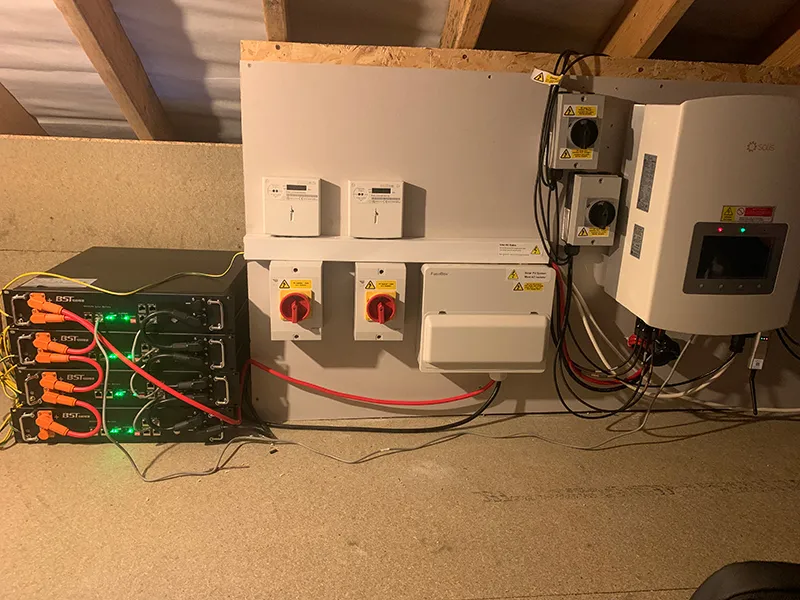 BST Rack Mounted Installation
This article outlines the top 10 benefits of home energy storage systems in 2025, offering both educational value and actionable insights for residential solar and energy storage professionals.
1. Energy Independence and Backup Power
What it means: Homeowners can store excess solar energy and use it when needed—especially during grid outages or at night.
Market context: In 2025, grid reliability issues due to aging infrastructure and extreme weather events (e.g., in the U.S., Australia, and parts of Europe) have made backup power an essential feature.
Installer insight: Highlighting energy independence can strongly influence buyers, especially in regions with unstable grids or frequent blackouts.
2. Maximized Use of Solar Energy
What it means: Instead of sending surplus solar energy back to the grid (often at low feed-in tariffs), stored energy can be used later, increasing self-consumption.
Market context: Feed-in tariffs are decreasing globally. For instance, in Germany and California, the economics now favor storing energy over selling it back.
Installer tip: Explain how pairing solar with storage increases ROI by maximizing on-site consumption.
3. Lower Electricity Bills
What it means: By using stored energy during peak rate periods, homeowners can avoid expensive time-of-use charges.
Market context: Electricity prices in Europe, Australia, and several U.S. states have continued to rise in 2025, with TOU billing becoming standard.
For installers: Position battery systems as a tool for long-term energy cost control—especially relevant in high-rate markets.
4. Peak Shaving and Load Shifting
What it means: Energy storage systems help reduce demand during peak hours by discharging stored power, flattening the load curve.
Market context: In countries like the UK, Italy, and Japan, dynamic pricing models are pushing more consumers toward smart load management.
Installer advantage: Emphasize how smart inverters and battery software automatically optimize usage, helping users save without effort.
5. Grid Services and Virtual Power Plants (VPPs)
What it means: In some markets, home batteries can participate in energy trading or grid-balancing services, generating revenue for homeowners.
Market trend: By 2025, VPP participation is growing fast—especially in Australia, Germany, and California. Aggregated home storage is now a part of grid infrastructure.
For installers: Promote systems compatible with local VPP platforms. It’s a new revenue model for tech-savvy homeowners.
6. Sustainability and Emission Reduction
What it means: Using solar energy stored in batteries reduces reliance on fossil fuel-based grid electricity.
Environmental context: Homeowners are increasingly environmentally conscious. In 2025, carbon footprint reduction is a major purchasing factor.
Installer approach: Combine technical benefits with emotional appeal—energy storage is a powerful tool in fighting climate change.
7. Increased Property Value
What it means: Homes with solar + battery systems have higher market value and attract eco-conscious buyers.
Real estate trend: A 2024 Zillow study found that homes with solar and storage sell 4-6% faster and at a premium price in key global markets.
Installer angle: Energy storage is not just a utility investment—it’s a property value booster.
8. Energy Security Against Policy Changes
What it means: With evolving utility policies and tariffs, energy storage shields homeowners from unexpected cost hikes or rule changes.
Market risk: In 2025, several regions are reducing net metering benefits or charging solar-only users grid usage fees.
Advice for installers: Frame energy storage as a hedge against regulatory risk. It gives users more control over their energy future.
9. Easy Integration and Scalable Design
What it means: Today’s battery systems are modular, compact, and easy to install alongside existing solar systems.
Technical progress: Top brands offer plug-and-play compatibility, smart monitoring apps, and hybrid inverters—all reducing installation time and complexity.
Installer benefit: Faster installs mean higher project turnover, better margins, and less customer disruption.
10. Government Incentives and Financing Options
What it means: In 2025, many countries offer rebates, tax credits, or low-interest loans for home battery installations.
Global example:
- USA: The Inflation Reduction Act (IRA) offers 30% tax credit for standalone or solar-paired batteries.
- EU: Countries like Germany, Italy, and Spain offer rebates or subsidies.
- Australia: Local government rebates in SA, VIC, and NSW are making storage more affordable.
Installer use: Encourage potential customers to act while incentives last. Provide support in applying for subsidies to ease the purchase decision.
Conclusion: Empowering Installers in the Energy Transition
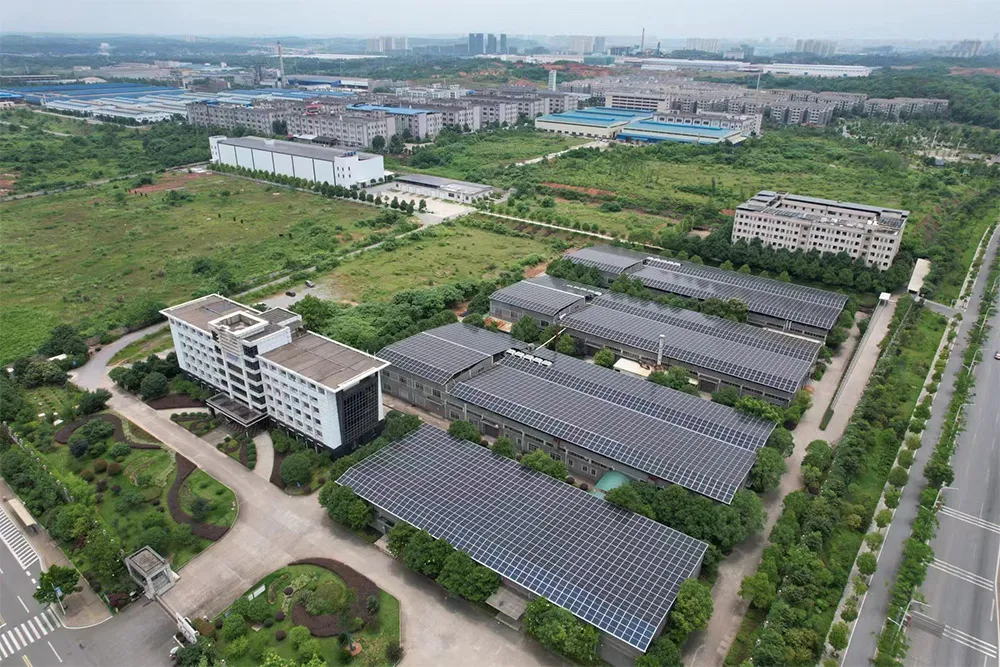 BST FACTORY NEW
By 2025, home energy storage systems will not just be about backup power—they are smart, sustainable investments. For residential installers, understanding these 10 benefits means more than selling products—it’s about offering solutions that meet homeowners’ evolving needs in energy, finance, and climate.
Installers who can clearly communicate these advantages will build trust, boost conversion rates, and position themselves as leaders in the growing home energy market.
As the world accelerates toward cleaner energy and lower carbon emissions, home energy storage systems have rapidly become a central pillar in residential energy solutions. By 2025, with soaring electricity costs, increasing solar panel adoption, and government incentives, energy storage batteries are no longer a luxury—they are a necessity. For residential installers, understanding the benefits of these systems is key to meeting market demands and helping customers make informed decisions.
BST Rack Mounted InstallationThis article outlines the top 10 benefits of home energy storage systems in 2025, offering both educational value and actionable insights for residential solar and energy storage professionals.
1. Energy Independence and Backup Power
What it means: Homeowners can store excess solar energy and use it when needed—especially during grid outages or at night.
Market context: In 2025, grid reliability issues due to aging infrastructure and extreme weather events (e.g., in the U.S., Australia, and parts of Europe) have made backup power an essential feature.
Installer insight: Highlighting energy independence can strongly influence buyers, especially in regions with unstable grids or frequent blackouts.
2. Maximized Use of Solar Energy
What it means: Instead of sending surplus solar energy back to the grid (often at low feed-in tariffs), stored energy can be used later, increasing self-consumption.
Market context: Feed-in tariffs are decreasing globally. For instance, in Germany and California, the economics now favor storing energy over selling it back.
Installer tip: Explain how pairing solar with storage increases ROI by maximizing on-site consumption.
3. Lower Electricity Bills
What it means: By using stored energy during peak rate periods, homeowners can avoid expensive time-of-use charges.
Market context: Electricity prices in Europe, Australia, and several U.S. states have continued to rise in 2025, with TOU billing becoming standard.
For installers: Position battery systems as a tool for long-term energy cost control—especially relevant in high-rate markets.
4. Peak Shaving and Load Shifting
What it means: Energy storage systems help reduce demand during peak hours by discharging stored power, flattening the load curve.
Market context: In countries like the UK, Italy, and Japan, dynamic pricing models are pushing more consumers toward smart load management.
Installer advantage: Emphasize how smart inverters and battery software automatically optimize usage, helping users save without effort.
5. Grid Services and Virtual Power Plants (VPPs)
What it means: In some markets, home batteries can participate in energy trading or grid-balancing services, generating revenue for homeowners.
Market trend: By 2025, VPP participation is growing fast—especially in Australia, Germany, and California. Aggregated home storage is now a part of grid infrastructure.
For installers: Promote systems compatible with local VPP platforms. It’s a new revenue model for tech-savvy homeowners.
6. Sustainability and Emission Reduction
What it means: Using solar energy stored in batteries reduces reliance on fossil fuel-based grid electricity.
Environmental context: Homeowners are increasingly environmentally conscious. In 2025, carbon footprint reduction is a major purchasing factor.
Installer approach: Combine technical benefits with emotional appeal—energy storage is a powerful tool in fighting climate change.
7. Increased Property Value
What it means: Homes with solar + battery systems have higher market value and attract eco-conscious buyers.
Real estate trend: A 2024 Zillow study found that homes with solar and storage sell 4-6% faster and at a premium price in key global markets.
Installer angle: Energy storage is not just a utility investment—it’s a property value booster.
8. Energy Security Against Policy Changes
What it means: With evolving utility policies and tariffs, energy storage shields homeowners from unexpected cost hikes or rule changes.
Market risk: In 2025, several regions are reducing net metering benefits or charging solar-only users grid usage fees.
Advice for installers: Frame energy storage as a hedge against regulatory risk. It gives users more control over their energy future.
9. Easy Integration and Scalable Design
What it means: Today’s battery systems are modular, compact, and easy to install alongside existing solar systems.
Technical progress: Top brands offer plug-and-play compatibility, smart monitoring apps, and hybrid inverters—all reducing installation time and complexity.
Installer benefit: Faster installs mean higher project turnover, better margins, and less customer disruption.
10. Government Incentives and Financing Options
What it means: In 2025, many countries offer rebates, tax credits, or low-interest loans for home battery installations.
Global example:
- USA: The Inflation Reduction Act (IRA) offers 30% tax credit for standalone or solar-paired batteries.
- EU: Countries like Germany, Italy, and Spain offer rebates or subsidies.
- Australia: Local government rebates in SA, VIC, and NSW are making storage more affordable.
Installer use: Encourage potential customers to act while incentives last. Provide support in applying for subsidies to ease the purchase decision.
Conclusion: Empowering Installers in the Energy Transition
BST FACTORY NEWBy 2025, home energy storage systems will not just be about backup power—they are smart, sustainable investments. For residential installers, understanding these 10 benefits means more than selling products—it’s about offering solutions that meet homeowners’ evolving needs in energy, finance, and climate.
Installers who can clearly communicate these advantages will build trust, boost conversion rates, and position themselves as leaders in the growing home energy market.
Next: NO MORE

Copyright © 2026 BST POWER. All rights reserved.