
News Categories
2025-08-01
Top 7 Questions About Home Battery Storage – Answered by Experts
Home battery storage is no longer just a luxury — it’s a smart investment for homeowners looking to lower their electricity bills, prepare for blackouts, and gain energy independence.
But with dozens of battery types, brands, and system sizes on the market, many customers have questions before making a purchase.
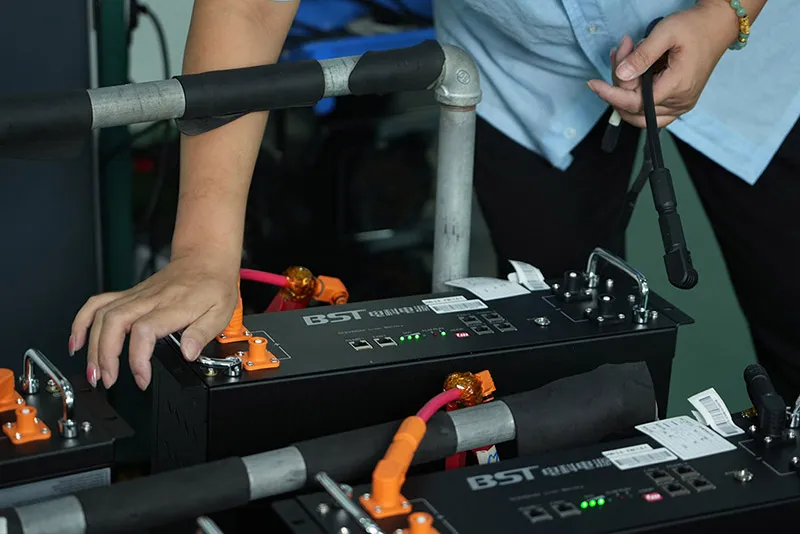
This guide answers the 7 most frequently asked questions about home battery systems — with expert insights to help you choose the best solution for your needs.
1. What Is a Home Battery Storage System – and What Problem Does It Solve?
🔋 What it is:
A home battery system stores electricity for later use. It can charge from solar panels or the grid, and discharge when:
- The sun goes down
- Grid electricity becomes expensive
- There’s a power outage
💡 Why customers care:
- Want to stop wasting excess solar power? → Store and reuse it.
- Afraid of sudden blackouts? → Batteries provide seamless backup.
- Paying high peak electricity rates? → Use stored energy during those times.
✅ For many, it solves rising energy costs, power supply instability, and low solar efficiency.
2. How Much Power Can a Home Battery Provide?
This depends on:
- Battery size (measured in kilowatt-hours, kWh)
- Appliances you want to power
- Whether you have solar
| Battery Size | Backup Power Time (Est.) | Suitable For |
|---|---|---|
| 5 kWh | 4–6 hours | Basic loads (lights, Wi-Fi) |
| 10 kWh | 10–12 hours | Partial home backup |
| 15+ kWh | 24–48 hours | Full home, energy independence |
🔍 Tip: Review your electricity bill to calculate daily usage. Most average homes consume 10–15 kWh/day.
3. Which Battery Type Is Best – and Why Should I Care?
Two main lithium chemistries dominate the market:
| Feature | LiFePO₄ (LFP) | NMC |
|---|---|---|
| Safety | Excellent | Moderate |
| Lifespan | 4000–6000 cycles | 2000–3000 cycles |
| Heat Resistance | High | Medium |
| Ideal For | Home storage | Electric vehicles |
✅ LiFePO₄ is now the industry standard for home energy storage, due to its safety, long cycle life, and better thermal stability — especially important for residential use.
4. Can I Use a Battery Without Solar Panels?
Yes, and many do.
If you don’t have solar, you can still:
- Charge your battery using cheap off-peak grid energy
- Discharge it during peak times to save money
- Use it as backup power during grid outages
🌍 This setup is increasingly popular in areas like:
- California (high TOU pricing)
- Australia (grid instability)
- Europe (energy crisis & outages)
5. Is a Home Battery a Smart Investment in 2025?
✅ Yes – and more than ever.
In 2025, home batteries help you:
- Cut electricity bills by 30–70%
- Eliminate solar energy waste
- Gain backup protection
- Qualify for incentives or tax rebates
With shorter payback times (typically 5–7 years) and rising grid costs, battery systems are becoming a profitable long-term asset.
6. What Should I Look for When Choosing a Battery?
A smart battery purchase should check these boxes:
| Consideration | Why It Matters |
|---|---|
| Capacity (kWh) | Matches your energy use or backup needs |
| Output Power (kW) | Ensures appliances can run at the same time |
| Chemistry | LiFePO₄ preferred for safety and lifespan |
| Cycle Life | 4000–6000 cycles = 10–15 years of use |
| Warranty | Look for 10+ years / 6000-cycle guarantees |
| Certifications | UL, CE, UN38.3, IEC – proves safety and quality |
| Expandability | Modular design lets you grow the system over time |
Also consider installation support, remote monitoring apps, and compatibility with your solar inverter.
7. How Do I Choose a Reliable Supplier?
You want more than just a battery — you need a trusted partner.
Ask these questions:
- Do they have their own factory and R&D?
- Do they offer certified products with real testing data?
- Do they support OEM/ODM or large projects?
- Do they provide after-sales technical support?
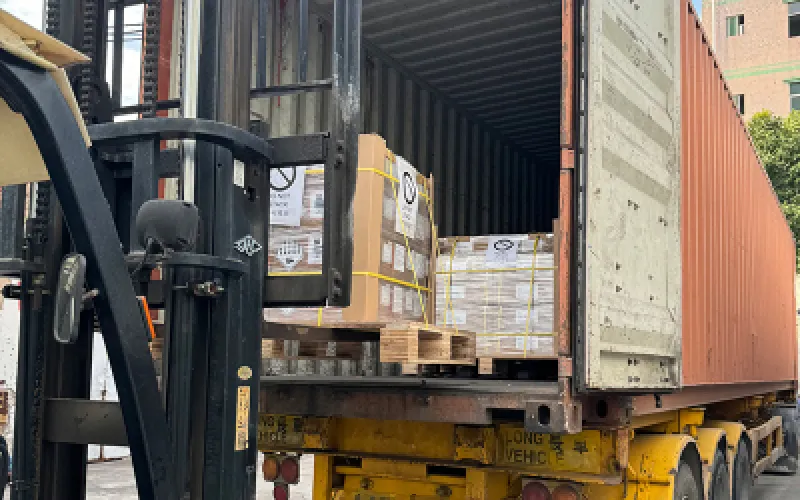
💼 Example: BST POWER is a 23-year energy storage manufacturer offering CE-certified, modular and all-in-one LiFePO₄ systems with full OEM/ODM options for global clients.
✅ Final Thoughts: Empower Your Energy Future
Home battery systems are redefining how we use power — offering resilience, savings, and sustainability. Whether you’re just starting with solar or want full grid independence, batteries provide the flexibility you need.
📌 Next step: Work with a proven supplier who understands both your technical needs and business goals.
📞 Need Expert Help? Talk to BST POWER
Whether you’re a solar installer, distributor, or end-user, BST POWER can help you:
- Select the right battery capacity and system
- Provide CE/UL/IEC-certified LiFePO₄ solutions
- Customize systems for local market needs
- Offer OEM/ODM with global shipping
👉 Contact us now for a free consultation and quote.
🔁 Top 10 FAQs About Home Battery Storage
1. How long do home batteries last?
Most high-quality lithium (LiFePO₄) home batteries last 10–15 years or 4000–6000 full cycles, depending on usage. Look for warranties that cover at least 10 years.
2. Can I add more batteries later if I need more power?
Yes. Many systems are modular and expandable, allowing you to add more battery units later as your energy needs grow. Just ensure your inverter is compatible.
3. How much does a home battery system cost in 2025?
The average cost (including inverter and installation) ranges from:
- $4,000–$6,000 for a 5kWh system
- $8,000–$12,000 for a 10–15kWh system
Prices vary by brand, installation location, and certifications.
4. Can I install a battery outdoors?
Yes — but make sure the battery has a weatherproof enclosure (IP65 or higher) and operates well in your climate’s temperature range. Many batteries support indoor/outdoor use.
5. Will a battery reduce my electricity bill?
Absolutely. With solar + storage, you use more of your own energy and avoid peak pricing. Even without solar, you can store off-peak grid electricity and save money through load shifting.
6. Can I use a battery during a power outage?
Yes — but only if your system includes a backup-capable inverter. Grid-tied systems alone cannot supply backup unless properly configured.
7. How do I maintain a home battery system?
Home batteries are mostly maintenance-free. However, it’s best to:
- Keep them in a well-ventilated, dry area
- Check software updates (for smart BMS systems)
- Monitor performance via an app or online portal
8. Are home batteries safe for families with kids or pets?
Yes. LiFePO₄ batteries are known for high thermal and chemical stability, and most systems come with advanced BMS (Battery Management Systems) that prevent overheating, overcharging, or short circuits.
9. Do I need Wi-Fi or an app to use the system?
Not always. Some systems operate standalone, but smart systems with mobile apps give you real-time insights into your power usage, battery status, and system performance.
10. Can I get government incentives or tax credits for installing a battery?
In many countries (e.g., USA, Germany, Australia), yes. Look for:
- Federal tax credits (like the ITC in the US)
- State-level subsidies
- Grid feed-in programs or battery rebates
Home battery storage is no longer just a luxury — it’s a smart investment for homeowners looking to lower their electricity bills, prepare for blackouts, and gain energy independence.
But with dozens of battery types, brands, and system sizes on the market, many customers have questions before making a purchase.
This guide answers the 7 most frequently asked questions about home battery systems — with expert insights to help you choose the best solution for your needs.
1. What Is a Home Battery Storage System – and What Problem Does It Solve?
🔋 What it is:
A home battery system stores electricity for later use. It can charge from solar panels or the grid, and discharge when:
- The sun goes down
- Grid electricity becomes expensive
- There’s a power outage
💡 Why customers care:
- Want to stop wasting excess solar power? → Store and reuse it.
- Afraid of sudden blackouts? → Batteries provide seamless backup.
- Paying high peak electricity rates? → Use stored energy during those times.
✅ For many, it solves rising energy costs, power supply instability, and low solar efficiency.
2. How Much Power Can a Home Battery Provide?
This depends on:
- Battery size (measured in kilowatt-hours, kWh)
- Appliances you want to power
- Whether you have solar
| Battery Size | Backup Power Time (Est.) | Suitable For |
|---|---|---|
| 5 kWh | 4–6 hours | Basic loads (lights, Wi-Fi) |
| 10 kWh | 10–12 hours | Partial home backup |
| 15+ kWh | 24–48 hours | Full home, energy independence |
🔍 Tip: Review your electricity bill to calculate daily usage. Most average homes consume 10–15 kWh/day.
3. Which Battery Type Is Best – and Why Should I Care?
Two main lithium chemistries dominate the market:
| Feature | LiFePO₄ (LFP) | NMC |
|---|---|---|
| Safety | Excellent | Moderate |
| Lifespan | 4000–6000 cycles | 2000–3000 cycles |
| Heat Resistance | High | Medium |
| Ideal For | Home storage | Electric vehicles |
✅ LiFePO₄ is now the industry standard for home energy storage, due to its safety, long cycle life, and better thermal stability — especially important for residential use.
4. Can I Use a Battery Without Solar Panels?
Yes, and many do.
If you don’t have solar, you can still:
- Charge your battery using cheap off-peak grid energy
- Discharge it during peak times to save money
- Use it as backup power during grid outages
🌍 This setup is increasingly popular in areas like:
- California (high TOU pricing)
- Australia (grid instability)
- Europe (energy crisis & outages)
5. Is a Home Battery a Smart Investment in 2025?
✅ Yes – and more than ever.
In 2025, home batteries help you:
- Cut electricity bills by 30–70%
- Eliminate solar energy waste
- Gain backup protection
- Qualify for incentives or tax rebates
With shorter payback times (typically 5–7 years) and rising grid costs, battery systems are becoming a profitable long-term asset.
6. What Should I Look for When Choosing a Battery?
A smart battery purchase should check these boxes:
| Consideration | Why It Matters |
|---|---|
| Capacity (kWh) | Matches your energy use or backup needs |
| Output Power (kW) | Ensures appliances can run at the same time |
| Chemistry | LiFePO₄ preferred for safety and lifespan |
| Cycle Life | 4000–6000 cycles = 10–15 years of use |
| Warranty | Look for 10+ years / 6000-cycle guarantees |
| Certifications | UL, CE, UN38.3, IEC – proves safety and quality |
| Expandability | Modular design lets you grow the system over time |
Also consider installation support, remote monitoring apps, and compatibility with your solar inverter.
7. How Do I Choose a Reliable Supplier?
You want more than just a battery — you need a trusted partner.
Ask these questions:
- Do they have their own factory and R&D?
- Do they offer certified products with real testing data?
- Do they support OEM/ODM or large projects?
- Do they provide after-sales technical support?
💼 Example: BST POWER is a 23-year energy storage manufacturer offering CE-certified, modular and all-in-one LiFePO₄ systems with full OEM/ODM options for global clients.
✅ Final Thoughts: Empower Your Energy Future
Home battery systems are redefining how we use power — offering resilience, savings, and sustainability. Whether you’re just starting with solar or want full grid independence, batteries provide the flexibility you need.
📌 Next step: Work with a proven supplier who understands both your technical needs and business goals.
📞 Need Expert Help? Talk to BST POWER
Whether you’re a solar installer, distributor, or end-user, BST POWER can help you:
- Select the right battery capacity and system
- Provide CE/UL/IEC-certified LiFePO₄ solutions
- Customize systems for local market needs
- Offer OEM/ODM with global shipping
👉 Contact us now for a free consultation and quote.
🔁 Top 10 FAQs About Home Battery Storage
1. How long do home batteries last?
Most high-quality lithium (LiFePO₄) home batteries last 10–15 years or 4000–6000 full cycles, depending on usage. Look for warranties that cover at least 10 years.
2. Can I add more batteries later if I need more power?
Yes. Many systems are modular and expandable, allowing you to add more battery units later as your energy needs grow. Just ensure your inverter is compatible.
3. How much does a home battery system cost in 2025?
The average cost (including inverter and installation) ranges from:
- $4,000–$6,000 for a 5kWh system
- $8,000–$12,000 for a 10–15kWh system
Prices vary by brand, installation location, and certifications.
4. Can I install a battery outdoors?
Yes — but make sure the battery has a weatherproof enclosure (IP65 or higher) and operates well in your climate’s temperature range. Many batteries support indoor/outdoor use.
5. Will a battery reduce my electricity bill?
Absolutely. With solar + storage, you use more of your own energy and avoid peak pricing. Even without solar, you can store off-peak grid electricity and save money through load shifting.
6. Can I use a battery during a power outage?
Yes — but only if your system includes a backup-capable inverter. Grid-tied systems alone cannot supply backup unless properly configured.
7. How do I maintain a home battery system?
Home batteries are mostly maintenance-free. However, it’s best to:
- Keep them in a well-ventilated, dry area
- Check software updates (for smart BMS systems)
- Monitor performance via an app or online portal
8. Are home batteries safe for families with kids or pets?
Yes. LiFePO₄ batteries are known for high thermal and chemical stability, and most systems come with advanced BMS (Battery Management Systems) that prevent overheating, overcharging, or short circuits.
9. Do I need Wi-Fi or an app to use the system?
Not always. Some systems operate standalone, but smart systems with mobile apps give you real-time insights into your power usage, battery status, and system performance.
10. Can I get government incentives or tax credits for installing a battery?
In many countries (e.g., USA, Germany, Australia), yes. Look for:
- Federal tax credits (like the ITC in the US)
- State-level subsidies
- Grid feed-in programs or battery rebates

Copyright © 2026 BST POWER. All rights reserved.